

If you’ve ever spent hours crafting what you thought was the perfect Telegram ad, only to watch it get rejected within minutes of submission, you’re not alone. With Telegram’s advertising platform now processing billions in ad spend and the market reaching approximately $10 billion in 2025, the platform’s moderation team has become increasingly strict about what flies and what doesn’t.
Here’s what most advertisers miss: Telegram isn’t just checking your ad copy. They’re evaluating your channel’s authenticity, your destination’s compliance, your formatting choices, and even your posting patterns. One misstep in any of these areas, and you’re looking at rejection—or worse, an account flag that makes future approvals nearly impossible.
Understanding Telegram’s Ad Review Process (And Why It Matters)
Let me be real with you: Telegram’s ad moderation operates on a two-tier system that catches most advertisers off guard. According to industry analysis from Watsspace, automated algorithms first flag obvious violations like prohibited words, spam patterns, and unsafe URLs. Then, human reviewers examine edge cases and restricted verticals to validate claims and ensure user safety.
What surprised me most in my research? The review process isn’t just about your ad text. Every element gets scrutinized: your ad text, destination quality, brand identity, targeting parameters, and business category. If any of these trigger a warning—misleading claims, restricted products, mismatched language, or a non-compliant landing page—your ad gets declined instantly.
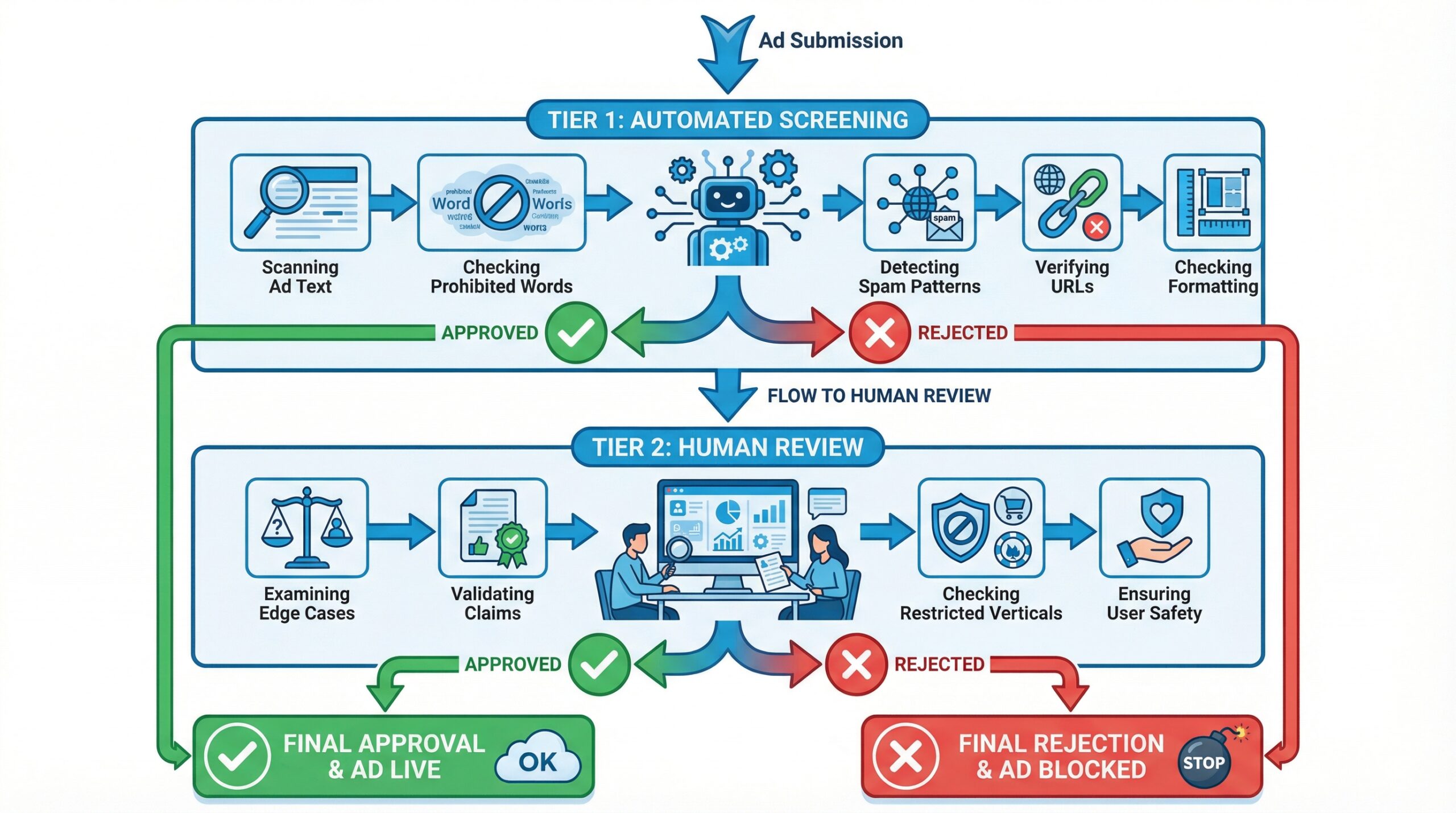
The platform hit 1 billion monthly active users in March 2025, up from 950 million just eight months earlier. That explosive growth means more ad submissions, stricter quality standards, and faster rejection rates for non-compliant content. Industry benchmarks suggest most ad reviews are complete within one business day, but sensitive categories like finance, crypto, and betting can take 3-5 days—or get rejected outright if you don’t have proper documentation.
What Content Is Actually Prohibited on Telegram Ads?
So here’s the thing: Telegram’s official ad policies list dozens of prohibited content categories, but advertisers keep making the same mistakes because they don’t understand the nuances. Let me break down what’s actually banned and why it matters for your campaigns.
The Obvious Violations (That Still Trip People Up)
These are the clear-cut prohibitions that should be non-negotiable, yet they account for a significant portion of rejections:
Graphic and Sexual Content: No nudity, sexually explicit material, sexually suggestive content, excessively exposed intimate body parts, sexual merchandise, dating services, or adult entertainment. This extends beyond obvious pornography—even suggestive imagery or dating-adjacent services get flagged.
Violence and Disturbing Content: Gruesome imagery, gore, bodily fluids, accident photos, graphic torture details, horrific or frightening images including blood and death scenes are all strictly prohibited. The platform maintains a zero-tolerance policy here.
Illegal Activities: Drug sales, weapons trading, fake ID production, counterfeit goods, hacking services, and pirated content are automatic rejections. According to Telegram’s security framework, the platform actively cooperates with global law enforcement agencies and will ban involved accounts even under the lowest sensitivity settings.
Harassment and Discrimination: This includes dehumanizing speech, statements of inferiority, defamatory content, disclosing personal data, and hateful messages based on race, religion, color, national origin, age, beliefs, sexual orientation, or physical abilities.
The Restricted Categories (Where Documentation Matters)
Here’s where it gets interesting. Some verticals aren’t outright banned—they just require proper licensing, disclaimers, and local approvals. Recent data from industry sources shows that gambling, betting, and finance ads face particularly strict scrutiny, with approval times extending to 3-5 days compared to the standard 24-hour window.
Financial Services: Get-rich-quick offers, pyramid schemes, multilevel marketing, investment guarantees, insider trading tips, and products with concealed fees are all prohibited. If you’re promoting legitimate financial services, you need explicit terms of purchase, proper licensing documentation, and transparent fee structures.
Health and Wellness: Unverified health benefits, nutrition products, weight loss or gain products, herbal drugs, dietary supplements, pregnancy products, and fertility-related services can’t make unsubstantiated claims. You need scientific backing and proper certifications.
Gambling and Betting: While Telegram’s official Sponsored Messages platform strictly forbids these verticals to ensure user safety and brand integrity, some third-party networks like RichAds offer more lenient policies for Mini-App formats. However, this comes with its own compliance challenges.
The Non-Obvious Rejection Triggers Nobody Warns You About
I didn’t expect this, but some of the most common rejection reasons have nothing to do with prohibited content. According to analysis from AADS, formatting mistakes and vague messaging cause just as many rejections as policy violations.
Formatting Disasters
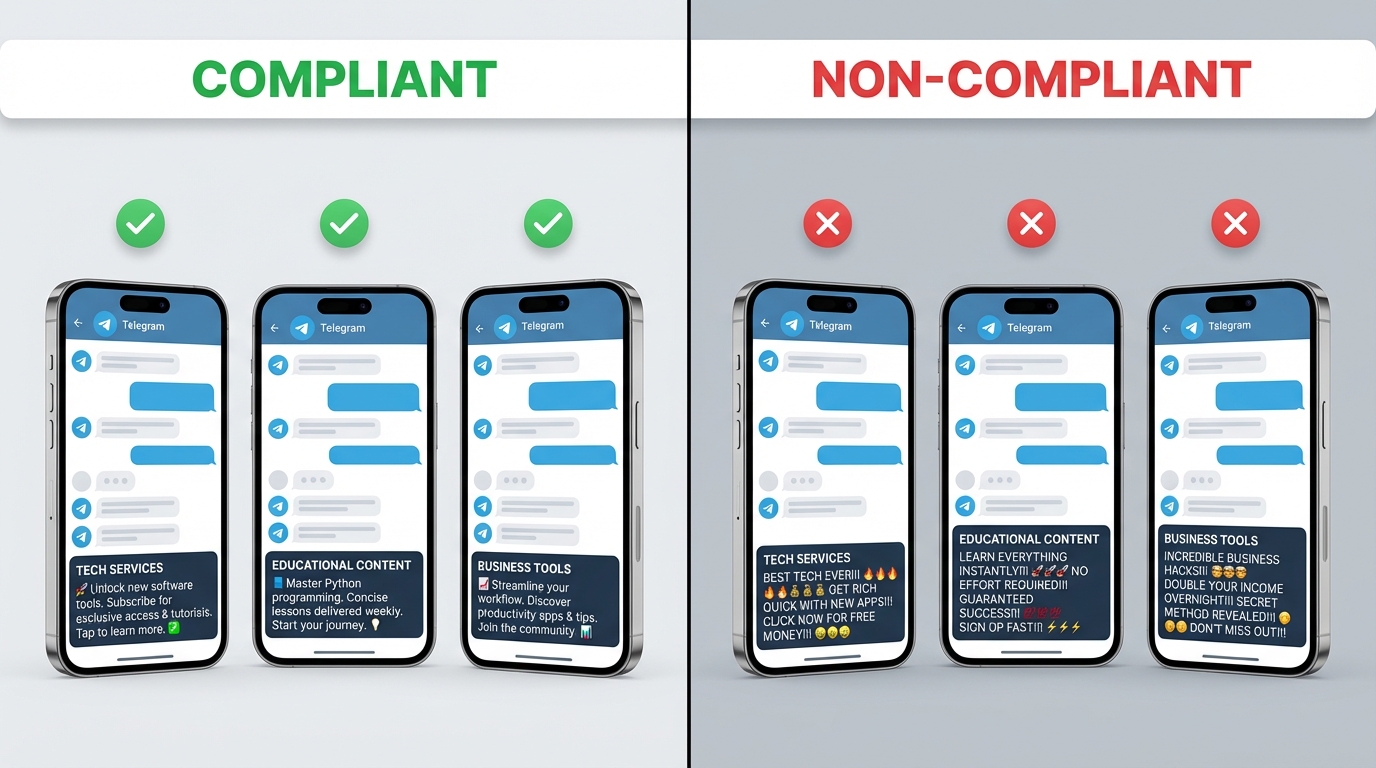
Your ad can get blocked for misusing text “decorations” like excessive emoji, punctuation abuse, special characters, unnecessary spaces, numbering, line breaks, and alternating case (CaPiTaLiZaTiOn). Telegram considers all of this unreadable and annoying to users. Even masked profanity (like f**k) will get you rejected, along with any slur acronyms or spelling variations.
I won’t lie—I’ve seen advertisers lose entire campaigns because they thought adding extra exclamation marks!!! And emoji spam 🔥🔥🔥 would boost engagement. Telegram’s algorithms flag this as low-quality content instantly.
Vague or Misleading Descriptions
Here’s what caught my attention: ads must clearly describe your channel’s or bot’s benefits. Generic phrases like “best product of all” or “highest quality on the market” trigger automatic rejections because they’re unverifiable comparisons. Case studies from successful campaigns show that specific, benefit-driven copy like “Get $1M funding opportunities from verified VCs” performs significantly better than vague promises.
Clickbait or unrealistic statements—including you-just-won-X claims, shock tactics, and scare tactics—are strictly prohibited. False or fraudulent advertising, including statements that don’t match the actual product, will not only get rejected but can also flag your account for stricter future reviews.
Word Repetition and Poor Writing
Telegram advocates literate and diverse texts. If your ad has repetitions of words—even just two repeating words—it may get rejected during moderation. The platform expects professional-quality copy that respects users’ intelligence.
Destination Compliance: Why Your Channel Matters More Than Your Ad
Let’s be real: you can have perfect ad copy and still get rejected if your destination doesn’t meet Telegram’s quality standards. This is where most advertisers completely miss the mark.
Channel and Bot Requirements
According to Telegram’s official guidelines, channels and bots must have both a profile image and complete text in their ‘about’ or ‘description’ section. Empty or abandoned channels are not allowed as destinations. If you change your channel name, title, or description after ad approval, your ads may be paused for re-moderation.
Bots face even stricter requirements. They must be beneficial to users, provide a consistent user experience, and offer interfaces aligned with Bot Platform capabilities. Bots that only collect contacts, show ads, or redirect to websites will be rejected. Recent analysis emphasizes that bots need real user interactions—command clicks, link redirects, conversation flows—to demonstrate genuine activity.
Content Quality and Activity Signals
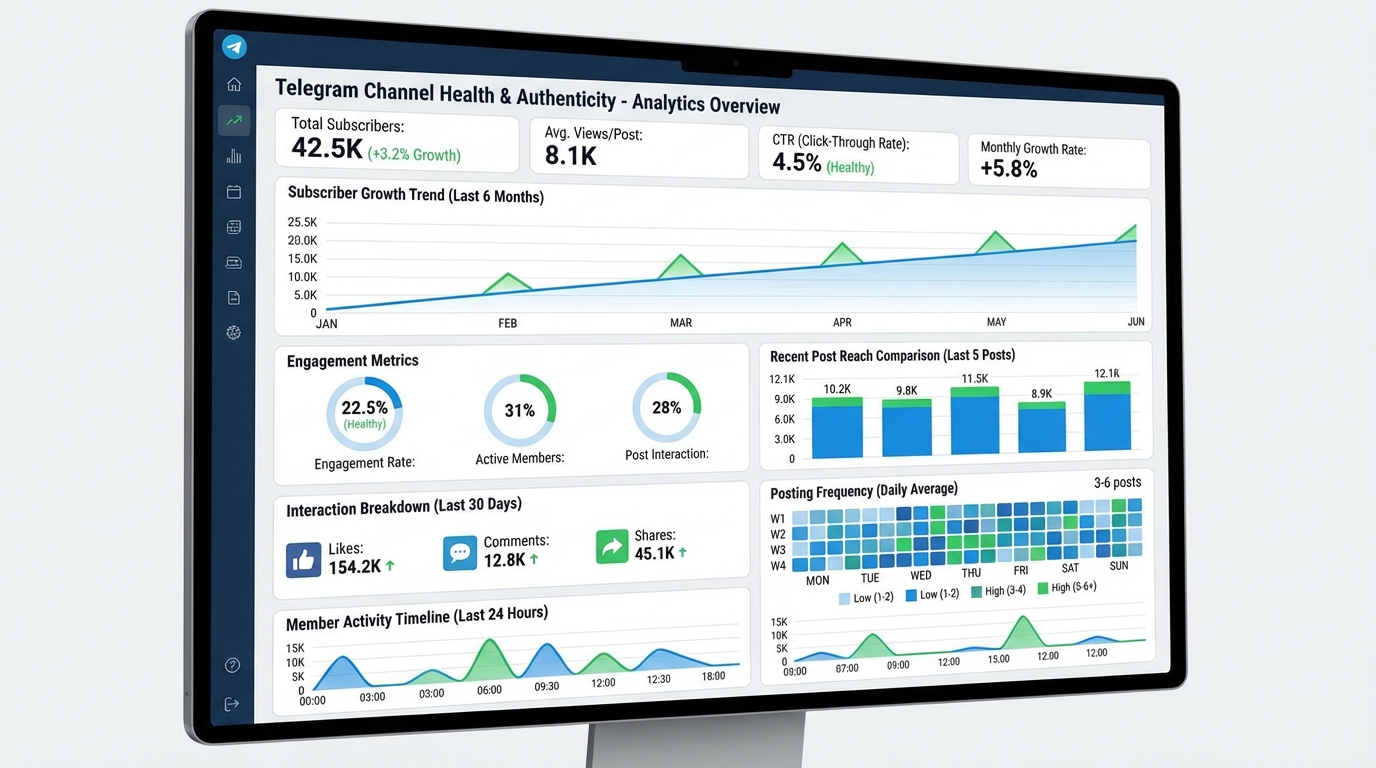
Here’s what surprised me most: Telegram actively monitors your channel’s posting patterns and engagement levels. Channels should maintain a posting frequency of 3-6 original posts daily with neutral content like lifestyle sharing, product recommendations, or opinion insights. Avoid inducements, false claims, or high-profit promises in your regular content.
The platform prioritizes content originality. For older channels, consider deleting previous non-compliant posts. Repurposed or duplicated content can lower approval rates significantly. Your posts need significant views (starting at a few thousand) and basic interactions to demonstrate the channel’s active, authentic existence.
Proven Strategies to Pass Ad Review on First Submission
After analyzing successful campaigns and reviewing data from thousands of ad submissions, I’ve identified the patterns that consistently get approved. Here’s your step-by-step approach.
Step 1: Audit Your Destination Before Creating Ads
Before you even think about writing ad copy, ensure your channel or bot meets these baseline requirements:
Profile completeness: Add a professional profile image, complete the ‘about’ section, and active content. For channels, aim for at least a few thousand members with genuine engagement patterns.
Content compliance: Review all existing posts and remove anything that touches on sensitive topics, makes unverifiable claims, or uses prohibited language. Your channel description must avoid sensitive keywords deemed non-compliant by Telegram.
Activity demonstration: If you’re promoting a bot, ensure it has real interaction data—clicks, command triggers, redirects. New bots without usage history will be rejected immediately.
Step 2: Write Clear, Benefit-Driven Ad Copy
Your ad gets a maximum of 160 characters, including spaces. According to industry experts at SMITLINK, keeping your message clear, concise, and benefit-driven is crucial. Avoid spammy claims or exaggerations that will get flagged in moderation.
Match your tone and style to the audience of the channel or bot to feel natural. A strong performing ad from real campaign data looked like this: “Join Startup World Cup 🚀 | Connect with VCs + mentors | $1M funding opportunities | Apply now.” It worked because it offered clear value, targeted context, urgency, and clean formatting.
Contrast that with a rejected ad: “Click. Win. Get a reward! 💰💰💰 Earn $10 each match!” This failed because of exaggerated claims, emoji spam, and vague promises that triggered moderation flags.
Step 3: Avoid Superlatives and Unverifiable Claims
Before submitting, review Telegram’s editorial requirements. Ads containing superlatives like “best,” “highest,” “cheapest,” or “number one” will not pass moderation unless you can substantiate these claims with verifiable data. Instead, focus on specific, measurable benefits.
The language of your ad must match the language of the targeted channel as well as the destination it directs users to. Mismatched languages trigger automatic rejections for user experience reasons.
Step 4: Test with Minimum Bid and Broad Targeting First
Start your campaign with the minimum bid of 0.1 TON (approximately $0.28-0.36 USD) to test performance. Begin with a wider range of channels, bots, or search keywords to gather enough performance data. This helps you identify what resonates with your audience before scaling spend.
According to compliance research for crypto projects, using professional branding, verified channels, and clear project information can improve conversion rates by 2-3x compared to rushed or suspicious-looking campaigns.
What to Do When Your Ad Gets Rejected
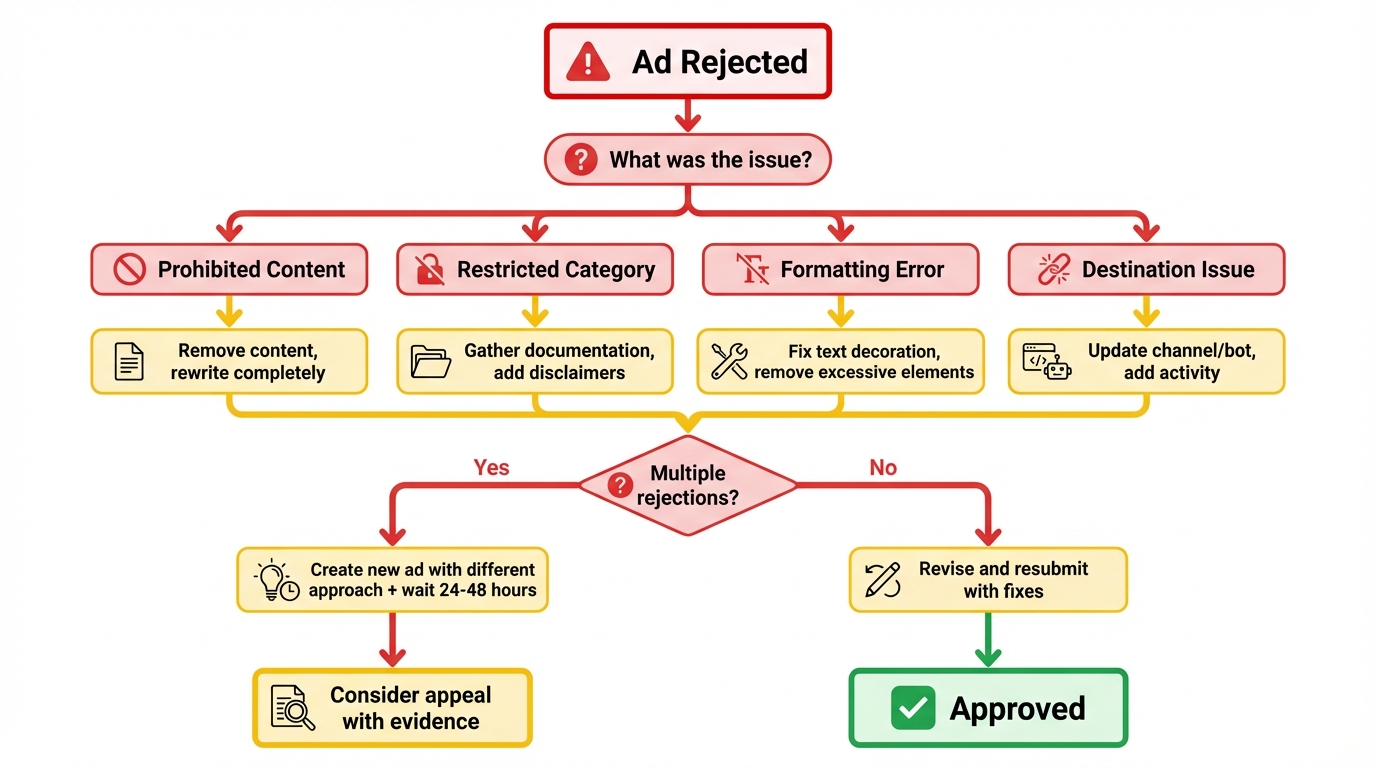
So you got rejected. Don’t panic—but also don’t just blindly resubmit. Multiple rejections for the same policy violation can trigger stricter reviews or account limits, making future approvals significantly harder.
Diagnose the Actual Problem
According to detailed rejection analysis, you need to identify whether the issue is prohibited content, a restricted category without documentation, misleading claims, destination problems, or targeting/language mismatch. Don’t guess—the rejection reason in your account dashboard usually provides clues.
If your channel or bot is causing rejections, you can revise and resubmit, but fix issues thoroughly before trying again. For channels, this might mean cleaning up old posts, adding more authentic engagement, or revising your description. For bots, ensure real interactivity and beneficial functionality.
The Appeal Process
When appropriate, you can appeal with evidence. Submit complete documentation to avoid back-and-forth delays. For restricted verticals like finance or health, include relevant licenses, permits, certificates, or agreements that prove legitimacy.
Industry benchmarks suggest most re-reviews complete within a business day or two, but sensitive verticals take longer. If you’ve been rejected multiple times, consider creating a new ad with significantly revised content rather than appealing the same version repeatedly.
Advanced Compliance Strategies for High-Risk Verticals
If you’re working in finance, crypto, betting, or other restricted categories, standard best practices won’t cut it. You need specialized compliance strategies that address the unique challenges these verticals face.
Documentation and Verification
For crypto-related ads, research from Kodegrid shows that Fragment requires identity verification to fund advertising accounts. Complete KYC within 24-48 hours to avoid campaign delays. All project documentation must be legitimate and compliant with local regulations.
Maintain transparent privacy policies and honor user preferences regarding communication. In markets like India, compliance with the Digital Personal Data Protection Act (DPDPA) is mandatory. Any user data collected through campaigns must be protected and used only for specified purposes.
Risk Disclosure and Honest Communication
Never use fake ROI promises, “guaranteed double returns,” or deceptive images. Always disclose risks associated with financial products or services. Projects that appear transparent and professional see 2-3x better conversion rates than those seeming rushed or suspicious.
For gambling and betting, understand that Telegram’s official Sponsored Messages platform maintains strict prohibitions. However, some third-party networks like RichAds offer more flexible moderation for Mini-App formats. Just remember that these alternatives come with their own compliance considerations and potentially lower quality control.
Monitoring and Maintaining Compliance After Approval
Getting approved is just the beginning. One mistake too many advertisers make is thinking they’re done once their ad goes live. Here’s the problem: Telegram continues monitoring your channel’s content even after ad approval.
Ongoing Content Standards
According to agency experience, some advertisers launch traffic, then start posting unacceptable content on the promoted channel—thinking it’s fine because the ad is already approved. A few days later, boom—ad rejection across the board because the channel itself violates the rules.
Keep an eye on your channel’s content while campaigns are running. Don’t let anything violate Telegram Ads rules, even in organic posts. This includes maintaining the same quality standards, avoiding prohibited topics, and keeping your tone professional and compliant.
Performance Monitoring and Optimization
Use unique invite links or UTM tags for each source. Connect your Telegram channels, bots, and websites to third-party end-to-end analytics tools to track the full user journey. Track key metrics beyond basic impressions: CTR, cost per subscriber, retention rates, and conversion to desired actions.
According to 2025 performance data, average click-through rates across major GEOs range between 20-40%, significantly higher than many traditional mobile and social ad formats. If you’re seeing significantly lower numbers, it’s a signal to revise your approach.
Real-World Performance: What Actually Works
Let me show you what success looks like in practice. Case studies from experienced advertisers reveal campaigns achieving subscriber acquisition costs as low as 0.01 TON (approximately $0.03), with CTR rates consistently above 25% when following best practices.
The key differentiators? Clear value propositions, targeted context that appeals to specific audiences, urgency without manipulation, and clean formatting with strategic emoji use. Compare this to rejected ads that made exaggerated claims, used excessive formatting, or provided vague benefits.
In another example, PropellerAds reported that adding Telegram Ads to a gamified mini app delivered an 18-fold increase in conversions alongside significantly higher click-through rates. RichAds helped a mini app grow from 3,622 to 61,328 active users in a single week—a 20-fold increase by combining compliant push, interstitial, and video ad formats.
What made these campaigns work? They followed platform guidelines precisely, maintained channel authenticity with genuine engagement, provided clear value without exaggeration, and used data-driven optimization to improve performance continuously.
Running compliant Telegram ads in 2026 isn’t about finding loopholes or gaming the system. It’s about understanding that Telegram built these policies to protect user experience—and when you respect that, your ads perform better anyway. The platform’s growth to 1 billion users and $10B advertising market proves there’s massive opportunity here, but only for advertisers who play by the rules.
Start by auditing your destination thoroughly, write benefit-driven copy that avoids superlatives and unverifiable claims, maintain authentic channel activity with genuine engagement, and monitor compliance even after approval. Most importantly, if you get rejected, don’t just resubmit blindly—diagnose the actual issue, fix it completely, and learn from the mistake. The advertisers are seeing 20-40% CTR rates and $0.03 acquisition costs? They’re the ones who invested time in getting compliance right from the start.

Leave a Comment